What is a POS (Point of Sale) system.
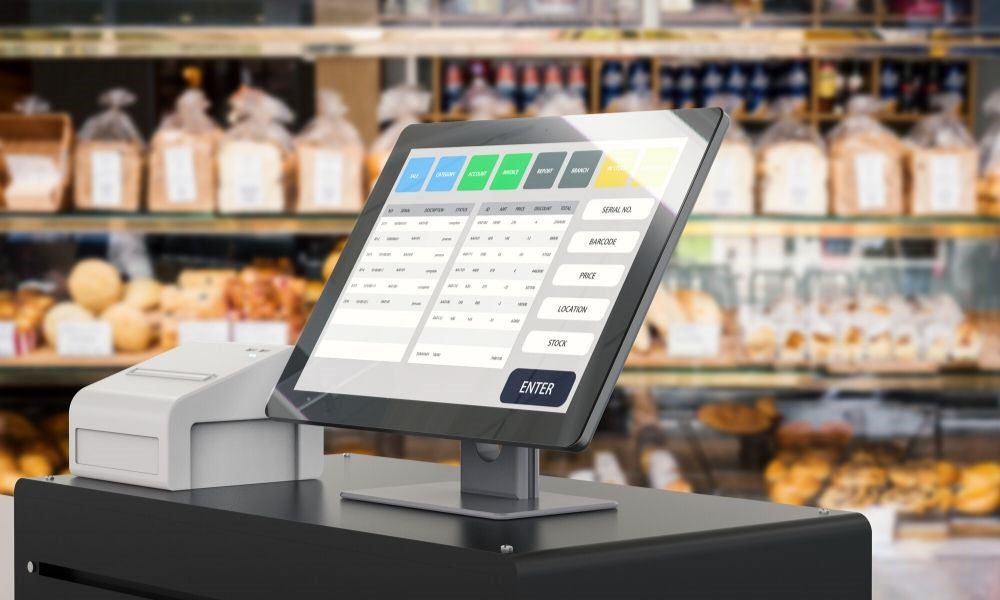
A POS (Point of Sale) system is a combination of hardware and software that allows businesses to complete sales transactions. It’s the place where a customer makes a payment for goods or services, and the business processes that payment. The POS system manages tasks like tracking sales, processing payments, managing inventory, and often even handling customer relationship management (CRM).
Here are five key features to consider when selecting a POS system for your business.
-
User-friendly interface.
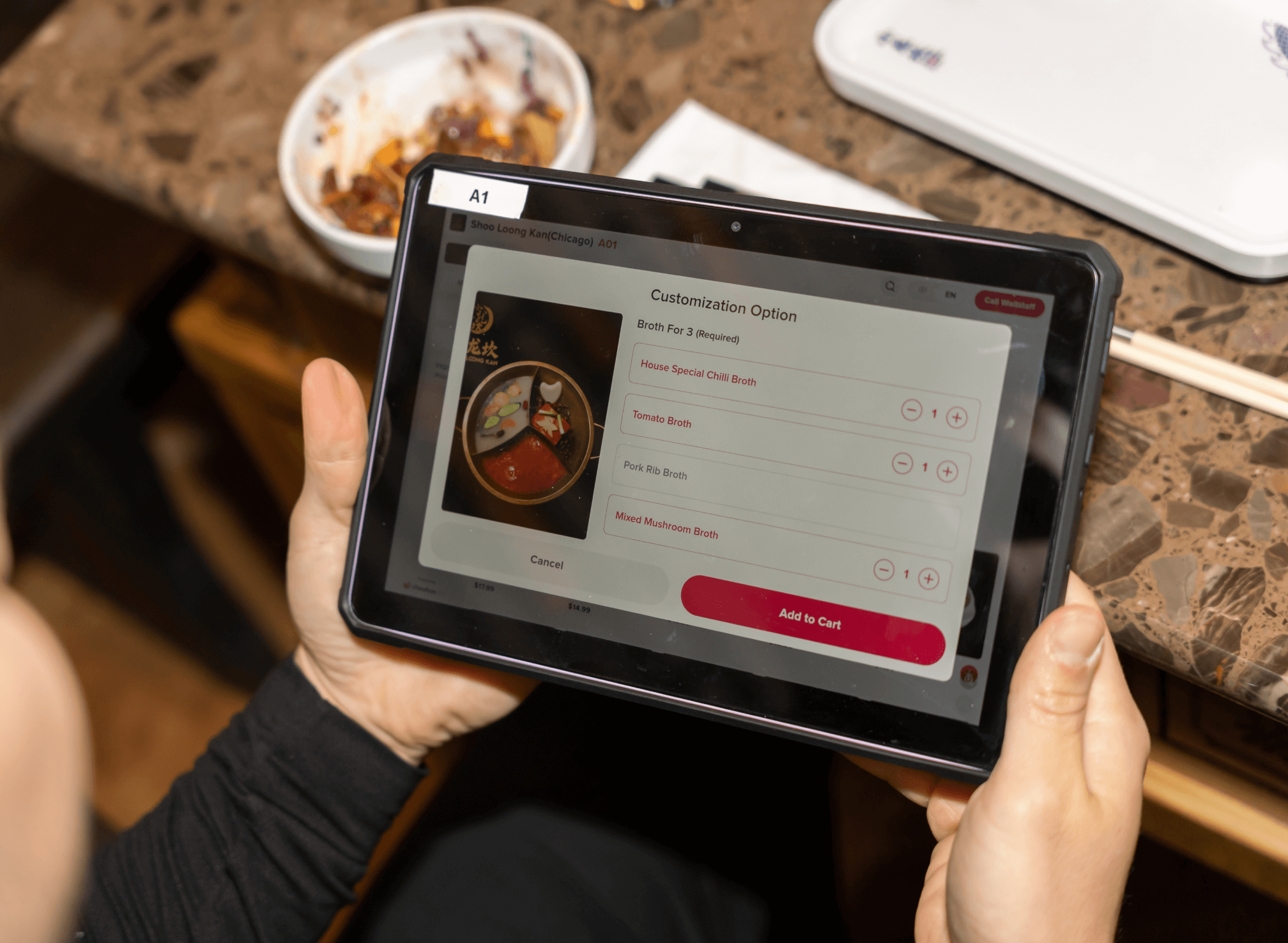
A user-friendly interface refers to the design, layout, and functionality of the system that makes it simple, and efficient for users to interact with. A well-designed POS system should have a straightforward, menu structure that allows users to easily find the functions they need. Icons, buttons, and categories should be clearly labeled, reducing the learning curve for employees. It should also guide users through tasks and provide clear instructions or prompts if something goes wrong. A user-friendly POS interface is essential for ensuring operational efficiency, reducing errors, and providing a positive experience for both employees and customers.
-
Security and Data Protection.
Security and data protection are essential when choosing a POS (Point of Sale) system because it handles sensitive information, including customer payment details, business data, and sales records. Examples of security measures include; A secure POS system should have automatic data backup and recovery features to protect against data loss due to system failures, cyberattacks, or natural disasters. Regular backups ensure that if something goes wrong, you can restore your data quickly and minimize downtime for your business. Encryption is a critical security feature that ensures data is unreadable to unauthorized users. In a POS system, all sensitive data, especially customer credit card information, should be encrypted during transmission and storage.
-
Payment Processing Options
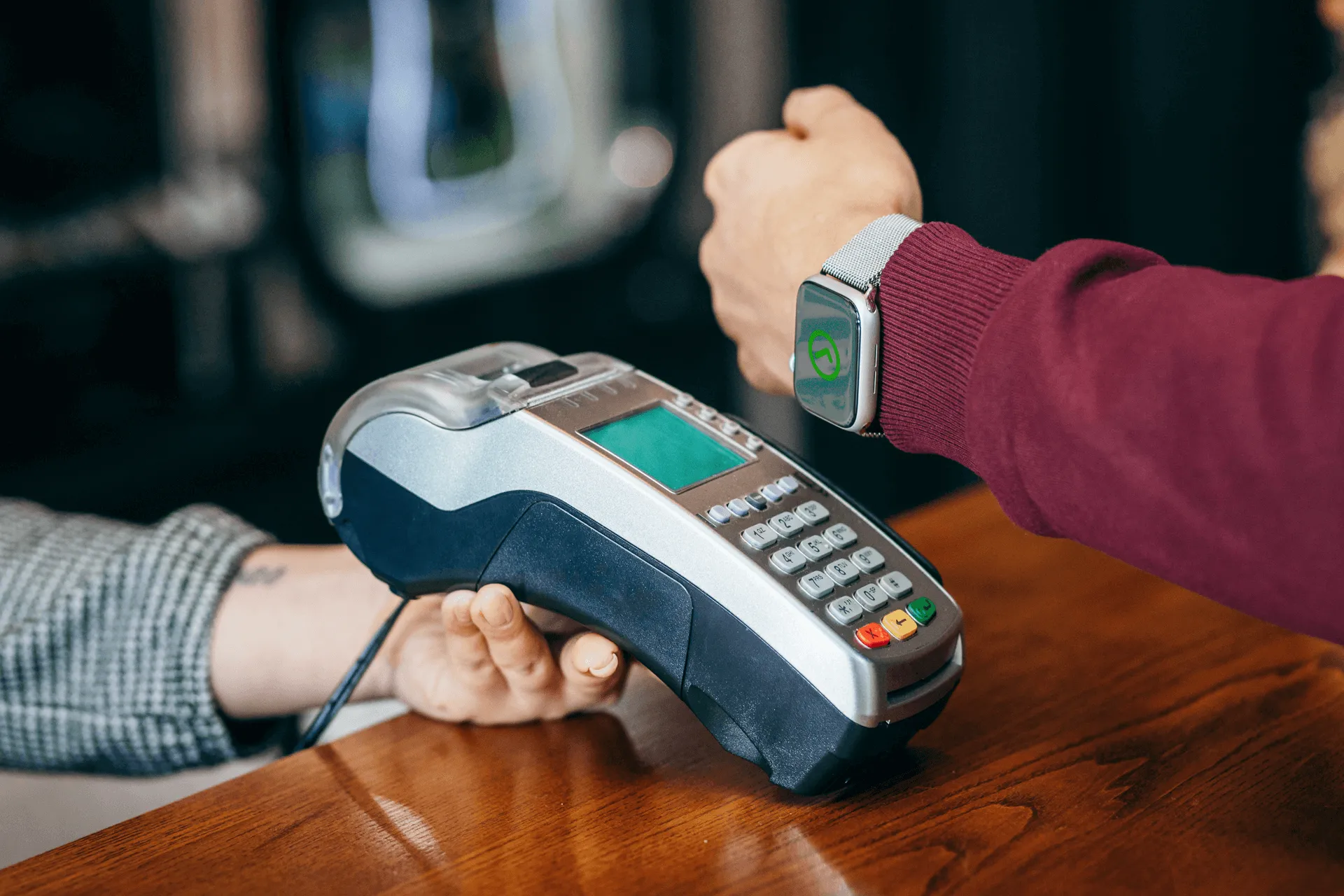
Payment processing options refer to the various methods by which customers can pay for goods and services through a Point of Sale (POS) system. Modern POS systems offer multiple payment processing methods to cater to the diverse preferences of customers. Examples of payment processing options include: Payments made using a customer's bank-issued credit or debit card, cards are one of the most widely used payment methods. Payment through apps or digital platforms where customers store their card information (e.g., PayPal, Venmo, or other digital wallets). Payments made using gift cards or store credit that customers can purchase or earn from previous transactions. Payments made via Near Field Communication (NFC) technology, where customers tap their card or mobile device (e.g., smartphone or smartwatch) on the POS terminal. Examples of those include: Apple Pay, Google Pay, Samsung Pay, and contactless credit/debit cards.
-
Reporting and Analytics.
Reporting and analytics in a Point of Sale (POS) system refer to the tools and capabilities that help businesses gather, analyze, and interpret data generated from sales transactions and operations. These features are essential for understanding business performance, making data-driven decisions, and optimizing operations. By analyzing data, businesses can streamline their operations, reduce costs, and increase profitability by identifying inefficiencies or waste. With accurate and detailed reports, business owners and managers can make informed decisions about inventory, staffing, marketing strategies, and financial planning.
-
Customer Support and Training
Customer support and training are critical features to consider when choosing a Point of Sale (POS) system. These services ensure that you and your staff can effectively use the system, resolve issues quickly, and maintain smooth operations, minimizing downtime and disruptions to your business. With prompt and efficient customer support, you can resolve technical issues quickly, minimizing the disruption to your operations and avoiding lost sales. Properly trained employees can use the POS system more effectively, leading to faster checkout processes, fewer errors, and a smoother overall customer experience.
Conclusion
Choosing the right POS system is more than just a technical decision; it’s an investment that impacts your business’s daily operations, customer experience, and long-term growth. By prioritizing these features, you’ll set your business up for success. A well-chosen POS system doesn’t just process transactions—it becomes a powerful tool that helps you optimize efficiency, make data-driven decisions, and ultimately grow your business.


Leave A Reply
Your email address will not be published. Required fields are marked *